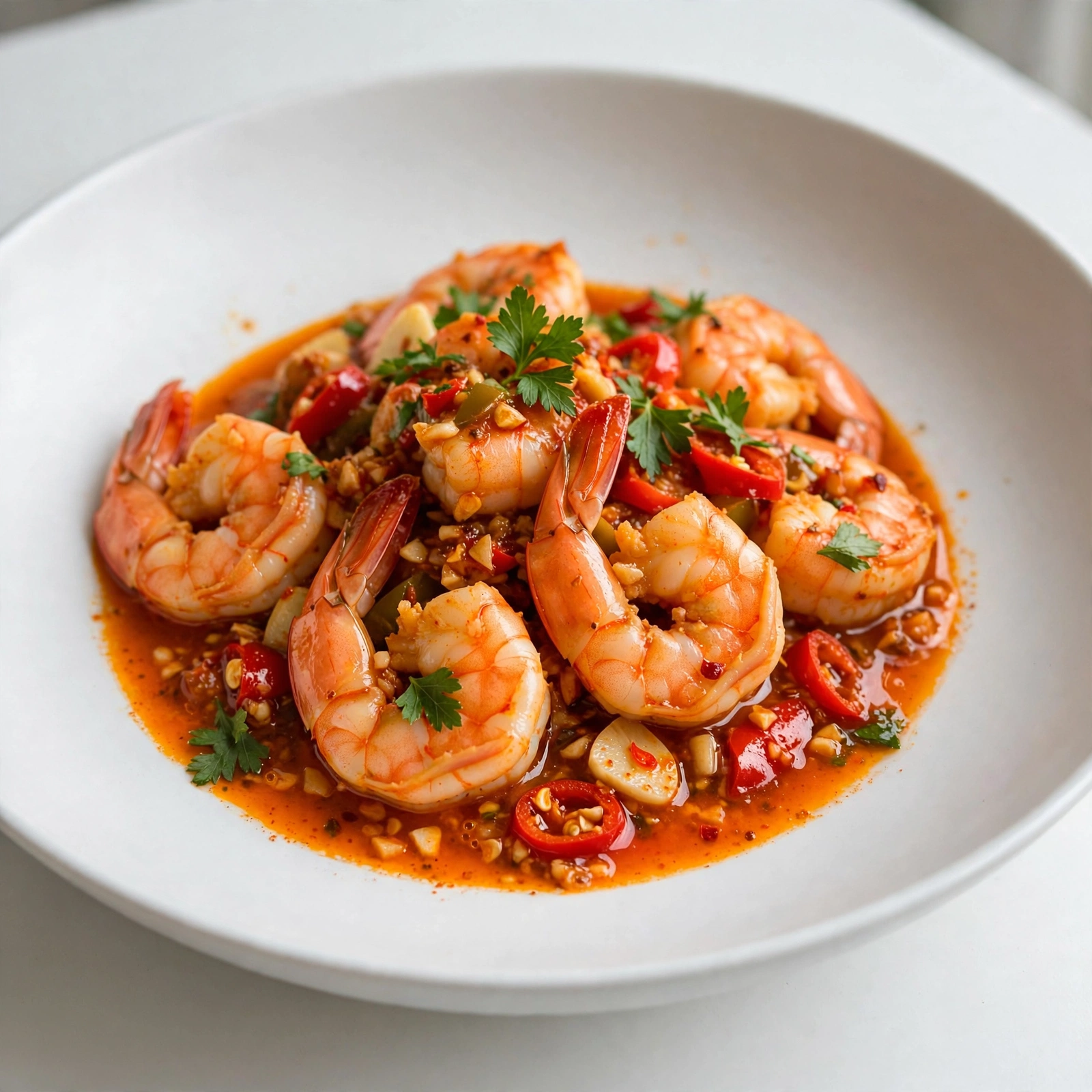
Portuguese Shrimp Mozambique
This Portuguese Shrimp Mozambique recipe simmers juicy shrimp in a garlicky, beer-spiked butter sauce with a kick of piri piri heat, perfect for scooping up with crusty bread.

A Portuguese Classic Straight From the Azores
If you have ever wondered how to make Shrimp Mozambique, you are in for a treat. This Portuguese Shrimp Mozambique recipe brings together plump shrimp, a mountain of garlic, and a buttery, beer-laced sauce with just enough heat to keep things interesting. It is one of those Portuguese recipes Azorean home cooks and New England seafood shacks alike have been making for generations, and once you taste that sauce, you will understand why.
Despite the name, this dish has nothing to do with the African country of Mozambique. It is believed to be a Portuguese American creation, likely born in the Azorean immigrant communities of New England, where piri piri peppers and love of seafood collided into something entirely new. Whatever its true origin, this Portuguese shrimp recipe has become a beloved staple, and it deserves a spot in your regular dinner rotation.
Before we get cooking, the right tools and ingredients make a real difference here. A heavy-bottomed skillet distributes heat evenly so the garlic never scorches, and a good quality piri piri sauce brings authentic depth that generic hot sauce just cannot match. These are the products that genuinely help this recipe shine:
What Makes Shrimp Mozambique So Special
Unlike many Portuguese shrimp recipes that lean on tomato-heavy stews, this version is all about a light, brothy sauce built from butter, beer, and garlic. The beer adds a subtle malty sweetness that balances the heat from the piri piri, while the butter ties everything together into something rich without being heavy.
A few things that set this recipe apart:
- The beer. A light lager cuts through the richness and adds complexity you simply cannot get from stock or wine alone.
- The garlic. This is not a one or two clove situation. Real Shrimp Mozambique recipes are generous with garlic, and that is exactly what gives the sauce its signature punch.
- The heat level. Piri piri sauce brings a fruity, vinegary heat that is different from your average hot sauce, and it is worth seeking out if you can.
Chef's Tip: Do not walk away from the shrimp once they hit the pan. Shrimp cook incredibly fast, and the difference between tender and rubbery can be less than a minute.
Tips for the Best Results
A few small details separate good Shrimp Mozambique from great Shrimp Mozambique.
- Use large or jumbo shrimp so they stay juicy and do not overcook before the sauce has time to develop.
- Pat the shrimp dry before adding them to the pan, this helps them sear rather than steam.
- Always taste the sauce before adding the shrimp, since this is your last chance to adjust the salt and heat level.
- Keep bread on standby. This sauce is too good to leave in the pan.
This is one of those Portuguese recipes that comes together shockingly fast, which makes it perfect for a weeknight dinner that still feels special enough for guests.
Ready to make it? Here is the full step-by-step recipe:
Portuguese Shrimp Mozambique
This Portuguese Shrimp Mozambique recipe simmers juicy shrimp in a garlicky, beer-spiked butter sauce with a kick of piri piri heat, perfect for scooping up with crusty bread.
Ingredients
- 2 lb large shrimp, peeled and deveined, tails on
- 6 tbsp unsalted butter, divided
- 8 cloves garlic, minced
- 1 cup lager beer, a light Portuguese or Mexican-style lager works well
- 2 tbsp piri piri sauce, or hot sauce of choice, adjust to taste
- 2 tbsp tomato paste
- 1 tbsp sweet paprika
- 2 bay leaves
- 2 tbsp fresh lemon juice, freshly squeezed
- 1/4 cup fresh parsley, chopped, for garnish
- 1 tsp kosher salt, or to taste
- 1 loaf crusty Portuguese bread, for serving, papo secos or similar
Instruction
In a large skillet or heavy pot, melt 2 tablespoons of the butter over medium heat.
Add the minced garlic and cook for about 1 minute, until fragrant but not browned.
Stir in the tomato paste and sweet paprika, cooking for 30 seconds to deepen the flavor.
Pour in the beer and add the bay leaves, scraping up any browned bits from the bottom of the pan.
Add the piri piri sauce and let the mixture simmer for 5 minutes, uncovered, until slightly reduced.
Season the shrimp with kosher salt, then add them to the simmering sauce in a single layer.
Cook the shrimp for 2 to 3 minutes per side, just until they turn pink and opaque.
Stir in the remaining butter and the lemon juice, tossing gently to coat the shrimp in the silky sauce.
Remove the bay leaves and discard.
Sprinkle generously with chopped parsley and serve immediately with crusty bread for dipping.
Equipment
- Large skillet or heavy-bottomed pot
- Sharp knife
- Cutting board
- Wooden spoon
- Tongs
Notes
Serving Suggestions and Storage
Shrimp Mozambique is traditionally served with crusty Portuguese rolls for soaking up every last drop of sauce, but it is equally delicious spooned over steamed rice or a bowl of buttered pasta. A simple side salad or roasted vegetables rounds out the meal nicely without competing with the bold flavors of the sauce.
If you happen to have leftovers, store them in an airtight container in the fridge for up to two days. Reheat gently over low heat, since shrimp can quickly turn tough if blasted with high heat a second time. This recipe does not freeze particularly well, as the texture of the shrimp suffers, so it is best enjoyed fresh or within a couple of days.
However you serve it, this Portuguese Shrimp Mozambique recipe is proof that a handful of simple ingredients, treated with a little care, can turn into something truly unforgettable at the dinner table.